Examining the psychology behind the thrill of gambling
The Allure of Risk and Reward
The psychology behind gambling is deeply rooted in the human experience of risk and reward. The potential for a significant payoff creates an exhilarating sense of excitement, which many find irresistible. This thrill triggers the release of dopamine, a neurotransmitter associated with pleasure and satisfaction. When players engage in gambling activities, they often experience an adrenaline rush similar to that of other high-stakes experiences, making them more inclined to take risks. For beginners, discovering resources such as pirots5.org.uk can greatly enhance their understanding of games and strategies. The unpredictable nature of gambling keeps players engaged, drawing them back time and time again.

Moreover, the uncertainty surrounding outcomes adds to the thrill. Just as in life, the allure of what might happen next captivates individuals. This unpredictability makes each gaming session unique, offering a blend of hope and suspense. The possibility of winning big can easily overshadow the risks involved, causing players to chase their losses in an effort to regain control over their fortunes. This behavior, while understandable, can lead to problematic gambling habits.
Additionally, the social aspect of gambling enhances its appeal. Many individuals enjoy the communal experience of visiting a casino or participating in online gaming platforms. The laughter, cheers, and camaraderie shared among players amplify the excitement. The social dynamics present in gambling environments can create a sense of belonging, making the experience feel more rewarding. Understanding the interplay of risk and reward helps explain why gambling remains a popular activity across cultures.
The Role of Cognitive Biases
Cognitive biases significantly influence gamblers’ perceptions and behaviors. One common bias is the “gambler’s fallacy,” where individuals believe that past events will influence future outcomes. For instance, a player might think a slot machine is “due” for a win after a series of losses. This flawed reasoning can lead to increased gambling as individuals chase elusive wins, convinced that luck will change. Understanding these biases is crucial for recognizing patterns in gambling behavior that may not align with statistical realities.
Another prevalent cognitive bias is “confirmation bias,” where individuals seek out information that supports their beliefs while ignoring contradictory evidence. A gambler may only recall the times they won while neglecting the losses. This selective memory reinforces their desire to continue gambling, as they believe they are more successful than they truly are. By comprehensively analyzing these cognitive processes, individuals can gain insight into their decision-making, potentially leading to healthier gambling habits.
The impact of cognitive biases extends to the design of gambling games, which often exploit these psychological tendencies. Game developers create systems that enhance the illusion of control, making players feel they are influencing outcomes when, in reality, the results are based solely on chance. Features such as near-misses or frequent small wins are designed to keep players engaged, ultimately contributing to the excitement and appeal of gambling experiences.
The Importance of Emotional Regulation
Emotional regulation plays a pivotal role in gambling behavior. Many individuals turn to gambling as an escape from stress, anxiety, or other emotional challenges. The thrill of potential wins offers a temporary reprieve from life’s difficulties, making it an attractive coping mechanism. However, reliance on gambling as a means of emotional regulation can lead to detrimental outcomes, including addiction and financial hardship. Understanding these emotional drivers is essential for recognizing when gambling becomes problematic.
When individuals gamble, they may experience a range of emotions, including joy, frustration, and disappointment. The highs of winning can foster a sense of euphoria, while losses may lead to feelings of despair. This emotional rollercoaster can create a cycle where individuals chase the highs by continuing to gamble, often leading to impulsive decisions. Developing healthy emotional regulation strategies can empower individuals to cope with life’s challenges without resorting to gambling.
Additionally, recognizing the signs of emotional gambling can help individuals seek support and make informed choices. Interventions that promote emotional intelligence, self-awareness, and coping skills can significantly reduce the risk of developing harmful gambling habits. By understanding the emotional aspects of gambling, individuals can create a more balanced and mindful approach to their gaming experiences.
The Impact of Environment and Social Influences
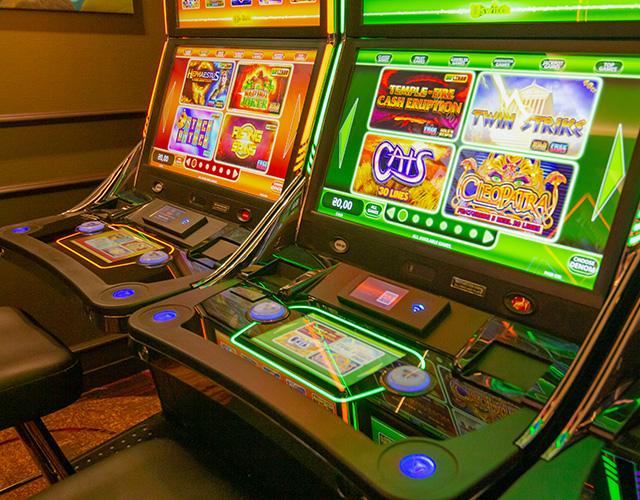
The environment in which individuals gamble can significantly influence their behavior. Casinos and gaming establishments are designed to create a specific atmosphere that heightens excitement. Features such as bright lights, enticing sounds, and free drinks are strategically placed to keep players engaged and encourage longer playtime. This sensory stimulation can lead to an altered state of consciousness, where players lose track of time and money spent. Recognizing the impact of environment can help individuals make conscious decisions while gambling.
Moreover, social influences play a crucial role in gambling behavior. Peer pressure and social norms can dictate how often and how much individuals gamble. Friends and family who participate in gambling may inadvertently encourage others to join, creating a shared experience. This social aspect can amplify the thrill, as individuals feed off each other’s excitement. Understanding the dynamic of social influences can help individuals assess their gambling habits and the motivations behind them.
Conversely, social support can also act as a protective factor against problematic gambling behavior. Communities that promote responsible gambling practices and provide resources for individuals facing challenges can create a more balanced gambling culture. By fostering open discussions about gambling, individuals can feel empowered to share their experiences, seek help, and make informed choices about their gaming habits.
Understanding Responsible Gambling
With the thrill of gambling comes the need for responsible gaming practices. Understanding the psychological factors at play can help individuals make more informed decisions regarding their gambling habits. Education and awareness are critical components of responsible gambling, as they equip players with the knowledge necessary to recognize when their gambling may be veering into unhealthy territory. By fostering an understanding of the thrill and its psychological underpinnings, individuals can enjoy gambling as a form of entertainment rather than a source of stress.
There are various resources available for individuals seeking to develop responsible gambling habits. Support organizations offer guidance, information, and tools to help individuals assess their gaming behaviors. Moreover, many gambling establishments promote responsible gaming initiatives, emphasizing the importance of setting limits and recognizing the signs of addiction. By taking advantage of these resources, individuals can cultivate a healthier relationship with gambling.
Ultimately, fostering a responsible gambling culture involves encouraging open conversations about the psychological aspects of gambling. As more individuals understand the factors that contribute to the thrill, they can navigate the world of gambling more effectively. Through education, community support, and self-awareness, players can enjoy their gaming experiences while minimizing the risks associated with gambling.